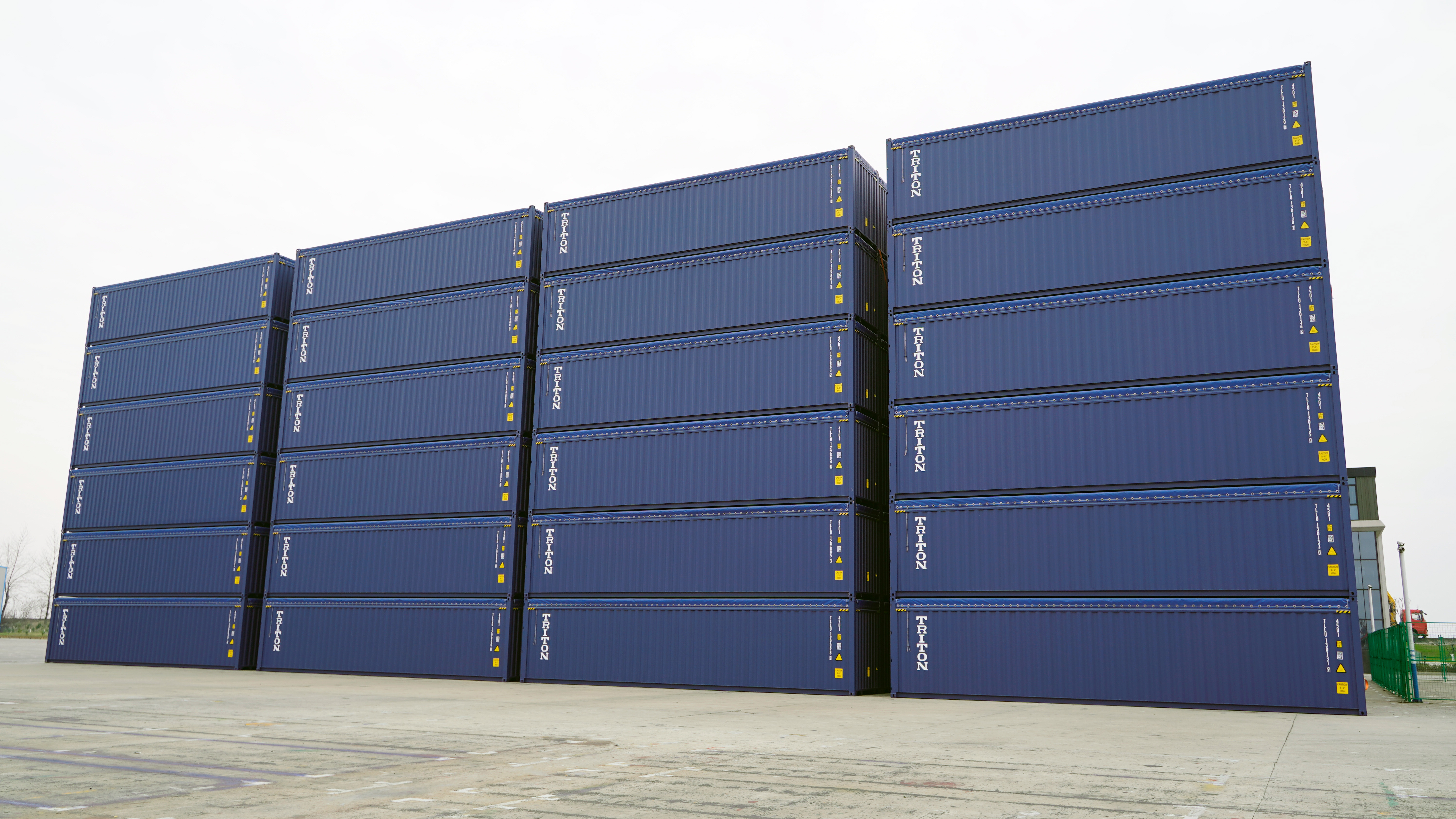
As global supply chains handle increasingly complex and oversized cargo, selecting the right container type is critical. Open top and flat rack containers are both designed to accommodate cargo that cannot be shipped in standard dry containers, but each serves a distinct purpose. Understanding when to use an open top container versus a flat rack container helps ensure safe handling and transport.
What Sets Open Top and Flat Rack Containers Apart?
Open tops maintain the same dimensions as standard shipping containers, making them a familiar and versatile option for cargo with special loading requirements. Open top containers are suitable for cargo that fits within standard container dimensions but cannot be easily loaded through the doors. They are also commonly used for vertical cargo that exceeds the height limits of standard or high cube containers. Their removable roof bows and tarpaulin allow cargo to be lifted in from above. Internal lashing rings and bars help secure freight once loaded. Typical cargoes include machinery, timber, tires, pipes and bulky equipment that require vertical loading flexibility.
Flat racks are used when cargo exceeds the size and/or weight limitations of both standard dry and open top containers. Flat racks are designed with heavy duty steel frames, thick plank floors and lashing rings to accommodate out-of-gauge cargo that cannot be enclosed. Flush folding end frames allow flat racks to be stacked efficiently when empty and repositioned as needed for project cargo. They are commonly used for specialist shipments and frequently carry large breakbulk and out-of-gauge cargo.
Sectors that Frequently Use Open Tops and/or Flat Racks
- Construction
- Energy
- Logistics
- Machinery
- Mining
- Project shipments
- Shipping
The Right Container for the Right Cargo
Both open top and flat rack containers play a critical role in transporting oversized and specialized cargo. By understanding the differences between these container types, shippers can select the most appropriate option to support safe handling, efficient transport and reliable delivery across global supply chains.



 ®, Triton®, and TAL®.